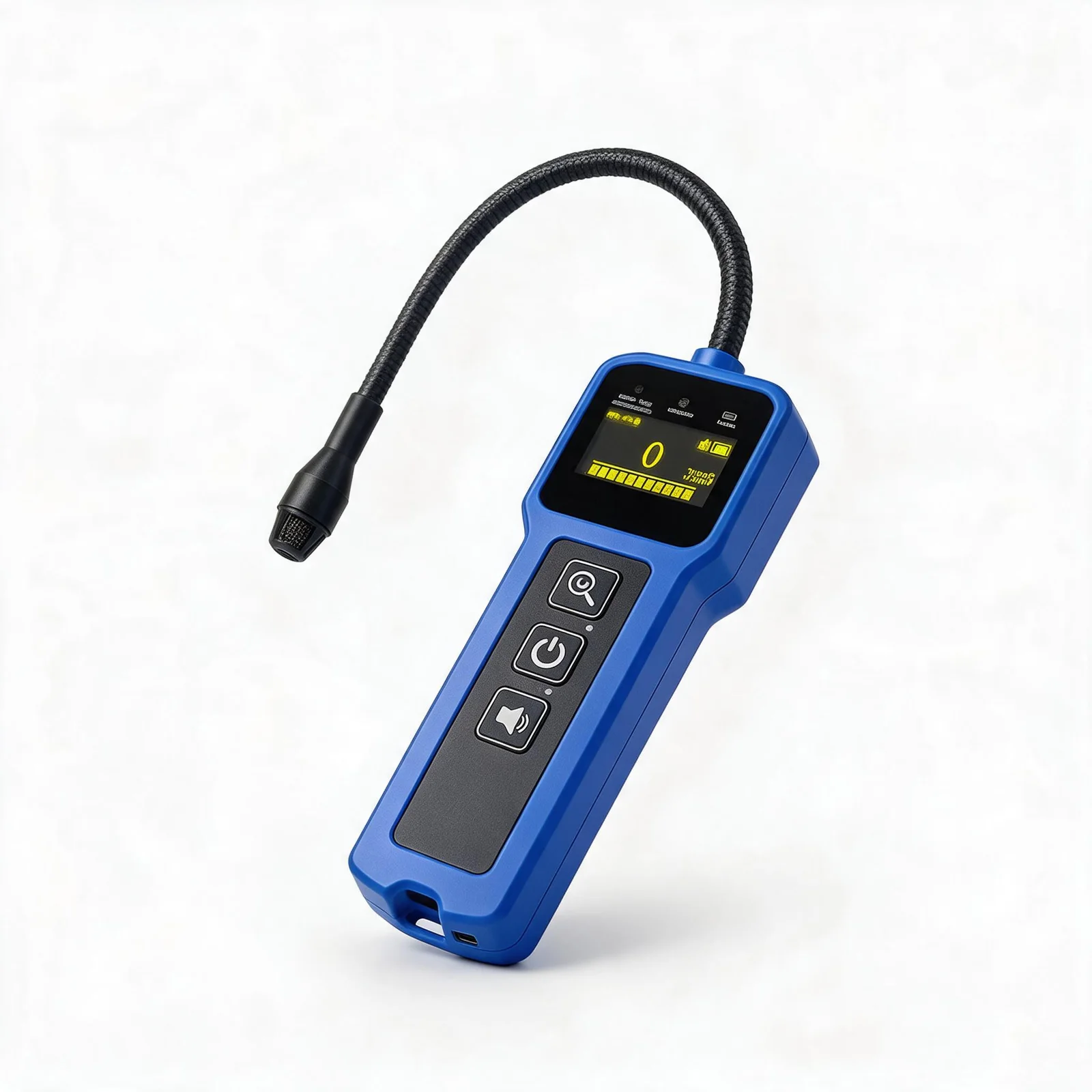
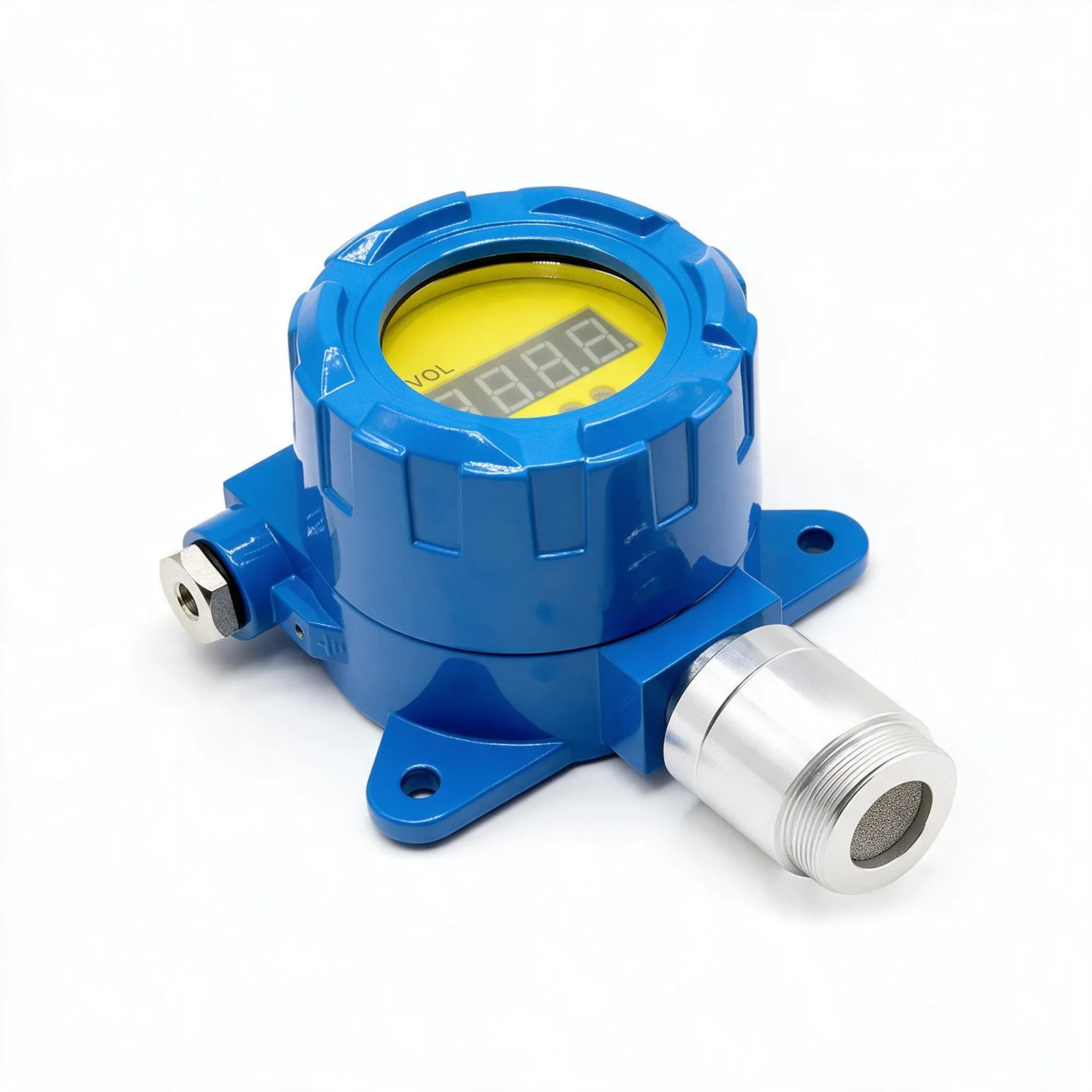
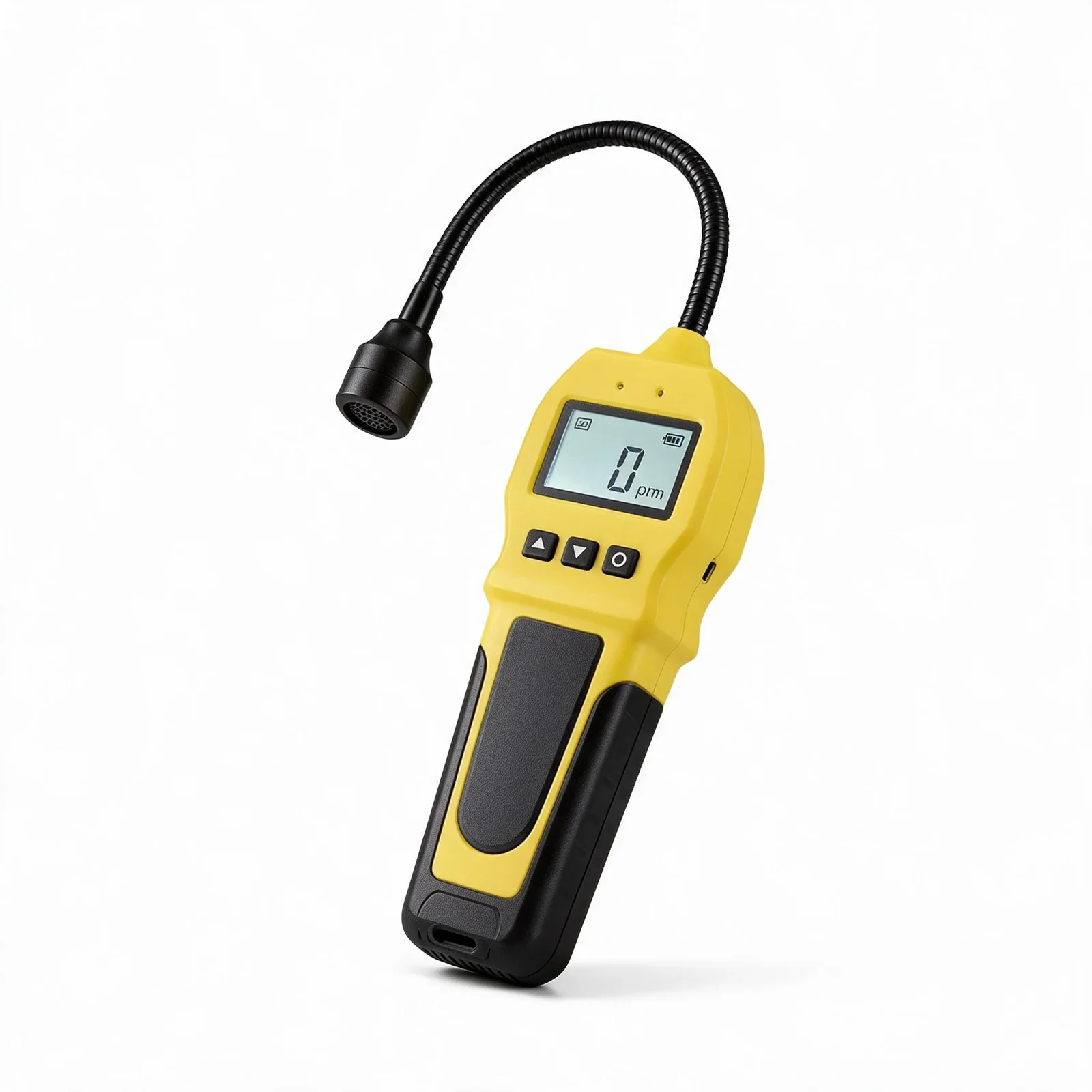
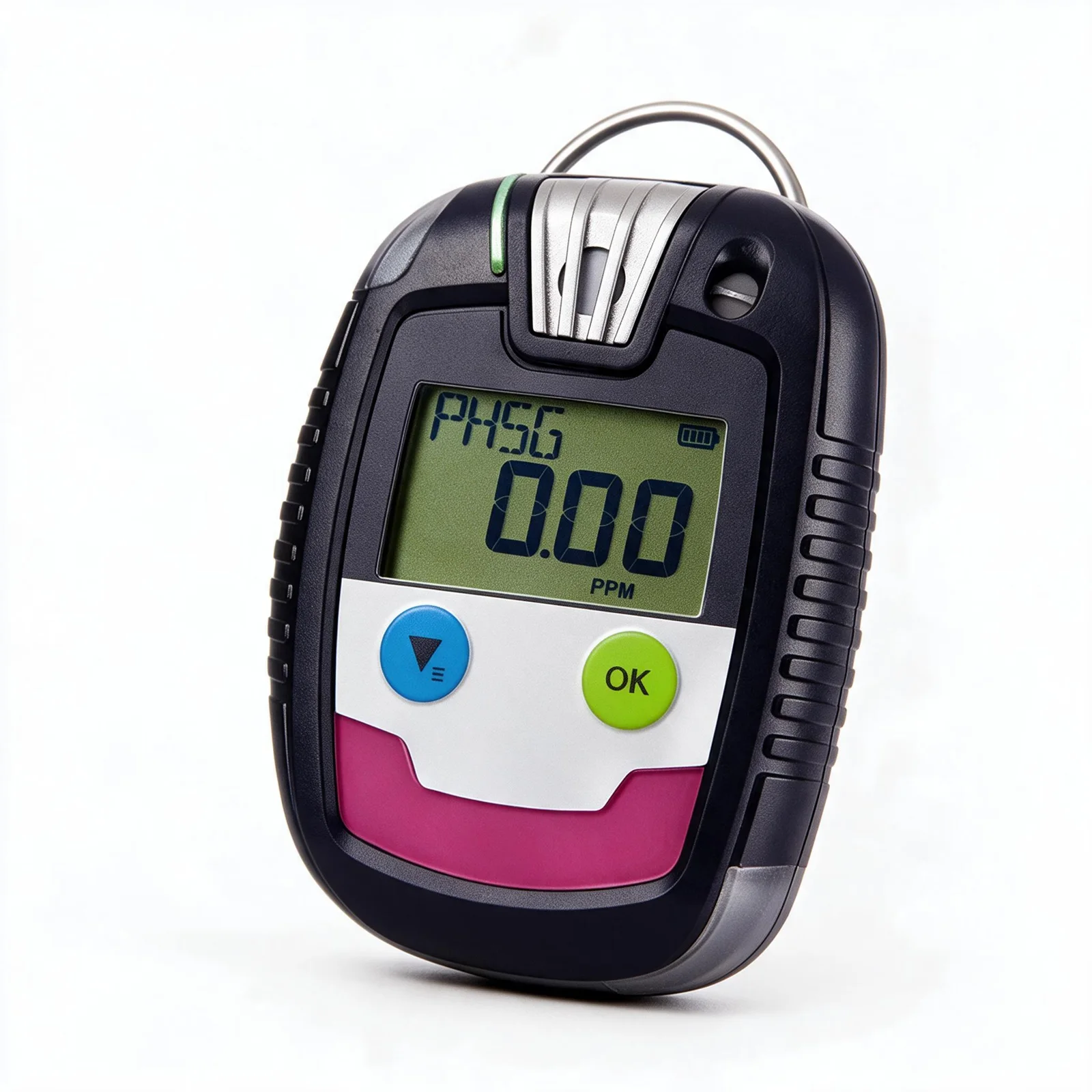
Illustrative image. Exact appearance, accessories, finish and markings must be confirmed against the quoted model.
Gas Detection InstrumentsFAMILY / GAS-003
JL270 Portable Combustible Gas Detector
Portable combustible-gas detector with percentage-LEL and ppm detection options, alarm indicators and wireless data transfer.
Source-listed reference data
Model, technical values and commercial references below come from the supplied supplier sources captured for intake. Manufacturer sourcing, configuration, certification, stock, MOQ, price and lead time are confirmed before an order.
Single-product and multi-line requests use the same human-reviewed workflow.
01
Product overview
What this sourcing family is designed to organize.
The JL270 platform supports a custom ppm range and a catalytic percentage-LEL range. It combines a digital display, audible and visual indication, Bluetooth transfer and IP66 protection. The precise sensor range, calibration and certification package must be selected for the application.
Gas Detection
02
Reference configurations
Intake categories from the linked source, pending exact model and SKU mapping.
01JL270Source reviewed
03
Technical specifications
Source-listed values are shown as intake references and remain subject to configuration and supplier confirmation.
Attribute
Catalog value
Verification basis
Accuracy / sensitivity
Semiconductor sensitivity better than 50 ppm; catalytic accuracy ±5% FS
Source-listed — supplier confirmation required
Alarm / output
LCD, audible indication, LED indication and Bluetooth wireless transfer
Source-listed — supplier confirmation required
Housing / ingress protection
IP66
Source-listed — supplier confirmation required
Installation / sampling
Natural diffusion
Source-listed — supplier confirmation required
Measurement range
Semiconductor version 0–10,000 μmol/mol with custom options; catalytic version 3–100% LEL
Source-listed — supplier confirmation required
Product type
Portable combustible-gas leak detector
Source-listed — supplier confirmation required
RFQ verification check
Select the semiconductor or catalytic sensor, confirm the ppm or percentage-LEL range, calibration gas, alarm logic and certificate scope
Source-listed — supplier confirmation required
Source brand
Hanwei
Source-listed — supplier confirmation required
Source model
JL270
Source-listed — supplier confirmation required
Source-listed certification
Source-listed: Ex ib IIC T3 Gb / Ex ib D21 IP66 T195°C; not independently verified
Source-listed — supplier confirmation required
Supply / battery
Rechargeable DC 3.7 V lithium battery; at least 8 hours; charging 4–7 hours
Source-listed — supplier confirmation required
04
Inputs to include in the RFQ
The more of these inputs you can provide, the fewer rounds of clarification are needed.
01Target gas and expected concentration rangeRFQ input template Technical document pending
02Portable or fixed installation requirementRFQ input template Technical document pending
03Alarm, relay and control-system interfaceRFQ input template Technical document pending
04Required hazardous-area and calibration documentationRFQ input template Technical document pending
TECHNICAL PURCHASING Q&A
JL270 Portable Combustible Gas Detector — procurement FAQs
Short answers to the technical and commercial checks buyers most often need before this family can be quoted accurately.
01When should the JL270 ppm option be chosen instead of its %LEL range?
Use a ppm configuration when the inspection procedure needs low-concentration leak localization, and consider the catalytic percentage-LEL range when the task instead requires a concentration measurement against a site threshold. The selected sensor, calibrated range, alarm setpoints, response expectation and certification must be stated in the quote; Bluetooth and IP66 features do not replace those technical decisions.
02What must be specified before selecting the sensor and alarm setpoints?
State the target gas, expected concentration and units, possible cross-interferences, background atmosphere, temperature and humidity. Alarm setpoints must come from the approved site risk assessment and applicable requirements, not from a generic catalogue default.
03How should analog, digital and relay outputs be compared?
Start with the receiving system rather than the detector. Record the required 4–20 mA input, RS485 protocol and register map, relay action or alarm-panel interface, along with power, cable distance and failure behaviour. Confirm that the selected transmitter supports the requested output combination simultaneously.
04What calibration and installation evidence should accompany the quote?
Ask for the exact sensor, range, calibration certificate or basis, recommended bump-test and calibration interval, power and output details, enclosure protection and service-access requirements. For fixed equipment, also request the proposed mounting location and hazardous-area documentation needed for review.